



Potassium Channel Inhibitor
-
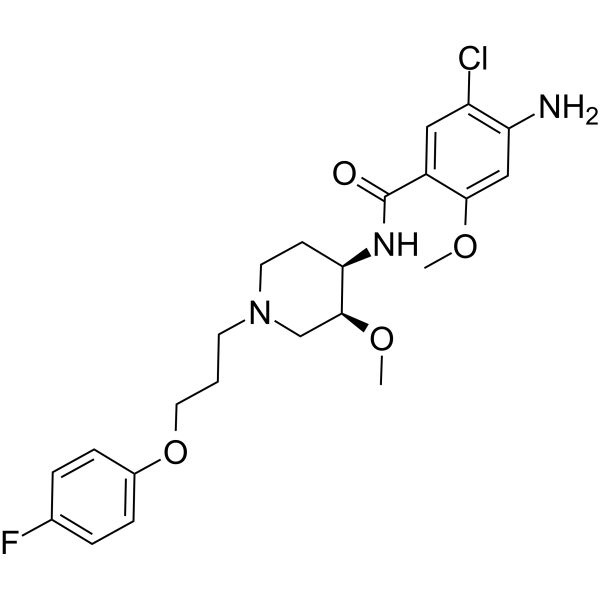
Cisapride
 0 ImagesSynonyms: R 51619; (±)-Cisaprid
Cisapride (R 51619) is an orally active, selective 5-HT4 receptor agonist with an EC50 of 140 nM. Cisapride also acts as an hERG potassium channel blocker with an IC50 of 9.4 nM. Cisapride exerts gastrointestinal prokinetic effects by activating 5-HT4 receptors, but it also blocks the hERG potassium channel responsible for the repolarization phase of cardiac action potentials, delaying repolarization and thus prolonging the action potential duration. Cisapride can be used in research related to gastrointestinal dysfunction, gastroesophageal reflux disease, functional dyspepsia, chronic gastritis, gastroparesis, ulcerative colitis and necrotizing enterocolitis.
-
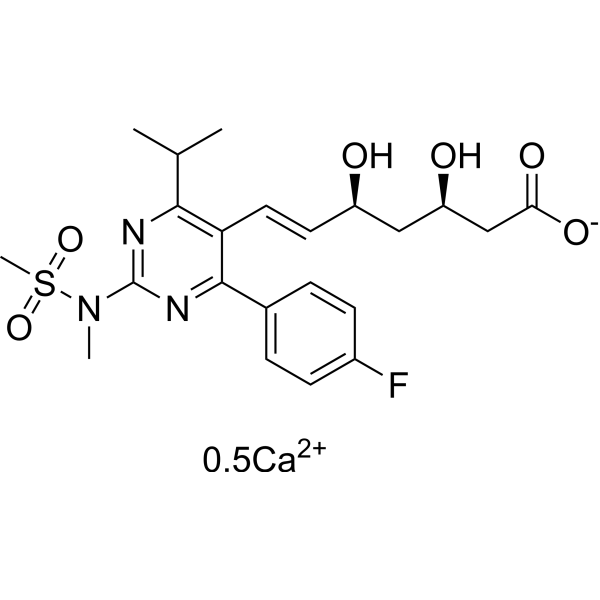
Rosuvastatin Calcium
 0 ImagesSynonyms: Rosuvastatin hemicalcium; ZD 4522 Calcium
Rosuvastatin Calcium is a competitive HMG-CoA reductase (HMGCR) inhibitor, with an IC50 of 11 nM. Rosuvastatin Calcium potently blocks hERG current with an IC50 of 195 nM. Rosuvastatin Calcium reduces the expression of the mature hERG and the interaction of heat shock protein 70 (Hsp70) with the hERG protein. Rosuvastatin Calcium effectively lowers low-density lipoprotein (LDL) cholesterol, triglycerides, and C-reactive protein levels.
-
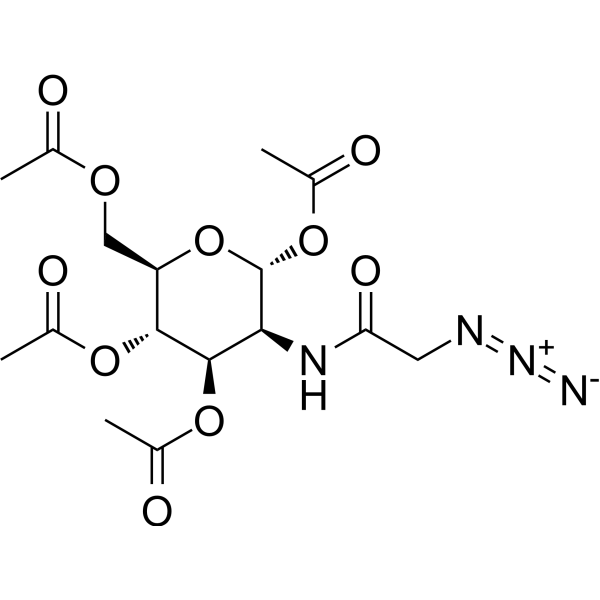
Ac4ManNAz
 0 Images
Ac4ManNAz can be taken up by cells and is an azide-containing metabolic glycoprotein labeling reagent that selectively modifies proteins. Commonly used for cell labeling, tracking and proteomic analysis. Ac4ManNAz contains an Azide group and can undergo copper-catalyzed azide-alkyne cycloaddition reaction (CuAAc) with molecules containing Alkyne groups. Ac4ManNAz can also undergo strain-promoted alkyne-azide cycloaddition (SPAAC) with molecules containing DBCO or BCN groups.
-
SCH-23390 hydrochloride
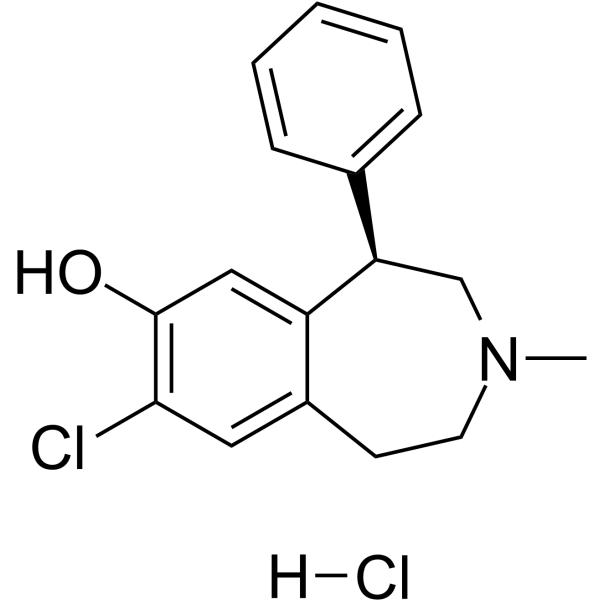 0 ImagesSynonyms: R-(+)-SCH-23390 hydrochloride
SCH-23390 hydrochloride (R-(+)-SCH-23390 hydrochloride) is a potent and selective dopamine D1-like receptor antagonist with Kis of 0.2 nM and 0.3 nM for the D1 and D5 receptor, respectively. SCH-23390 hydrochloride is a potent and high efficacy human 5-HT2C receptor agonist with a Ki of 9.3 nM. SCH-23390 hydrochloride also binds with high affinity to the 5-HT2 and 5-HT1C receptors. SCH-23390 hydrochloride inhibits G protein-coupled inwardly rectifying potassium (GIRK) channels with an IC50 of 268 nM.
-
Glibenclamide
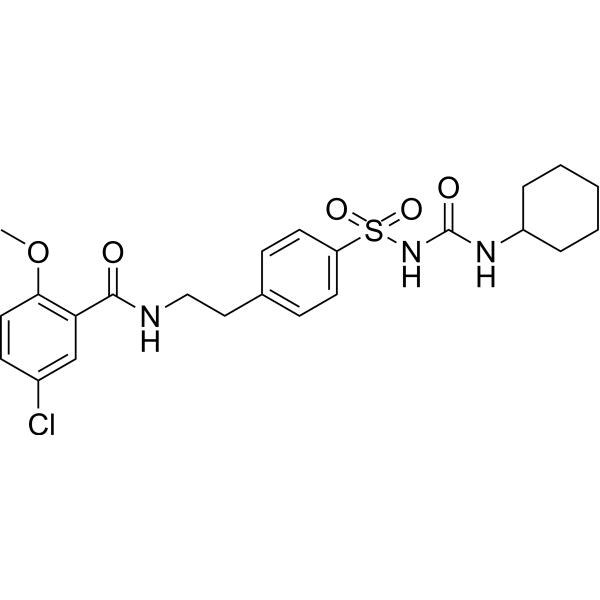 0 ImagesSynonyms: Glyburide
Glibenclamide (Glyburide) is an orally active ATP-sensitive K+ channel (KATP) inhibitor and can be used for the research of diabetes and obesity. Glibenclamide inhibits P-glycoprotein. Glibenclamide directly binds and blocks the SUR1 subunits of KATP and inhibits the cystic fibrosis transmembrane conductance regulator protein (CFTR). Glibenclamide interferes with mitochondrial bioenergetics by inducing changes on membrane ion permeability. Glibenclamide can induce autophagy.
-
Carbamazepine
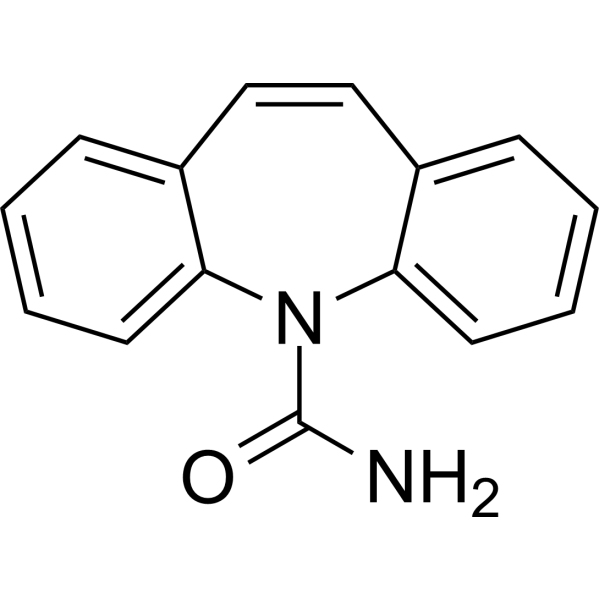 0 Images
Carbamazepine is an orally active pressure-sensitive sodium ion channel blocker with an IC50 of 131 μM. Carbamazepine blocks voltage gated Na+, Ca2+, and K+ channels, and is also a HDAC inhibitor (IC50: 2 μM). Carbamazepine is an anticonvulsant and can be used for research of epilepsy and neuropathic pain.
-
Branaplam
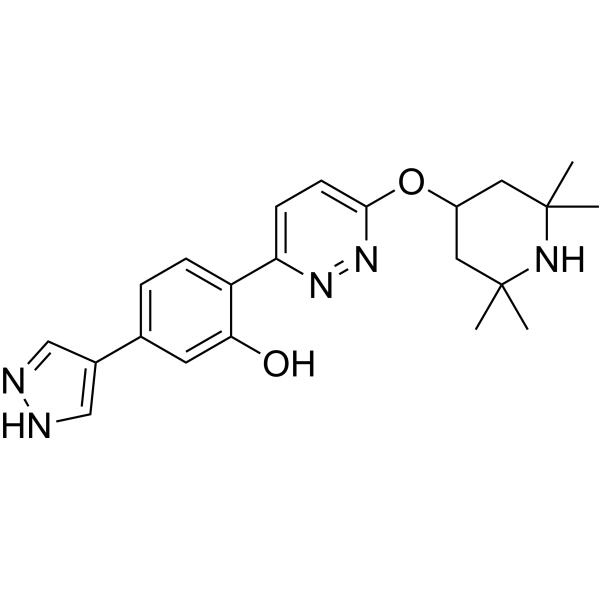 0 ImagesSynonyms: LMI070; NVS-SM1
Branaplam (LMI070; NVS-SM1) is a highly potent, selective and orally active survival motor neuron-2 (SMN2) splicing modulator with an EC50 of 20 nM for SMN. Branaplam inhibits human-ether-a-go-go-related gene (hERG) with an IC50 of 6.3 μM. Branaplam elevates full-length SMN protein and extends survival in a severe spinal muscular atrophy (SMA) mouse model.
-
20(S)-Ginsenoside Rg3
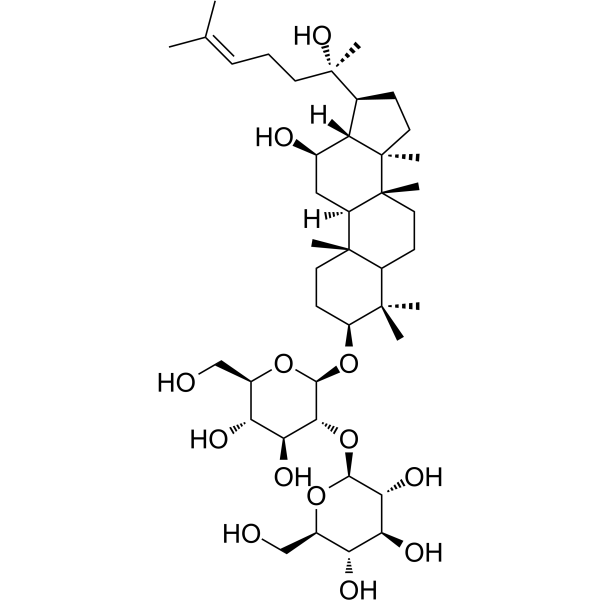 0 ImagesSynonyms: 20(S)-Propanaxadiol; S-ginsenoside Rg3
-
E-4031
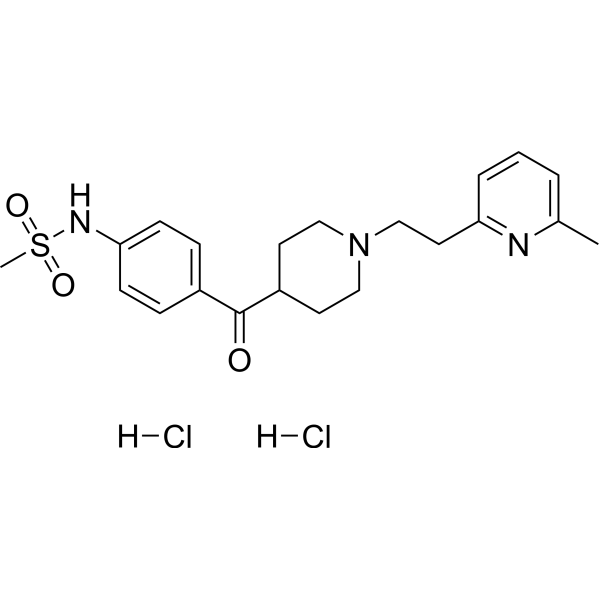 0 Images
E-4031 is a selective hERG potassium channel blocker for use in class III anti-arrhythmic studies.
-
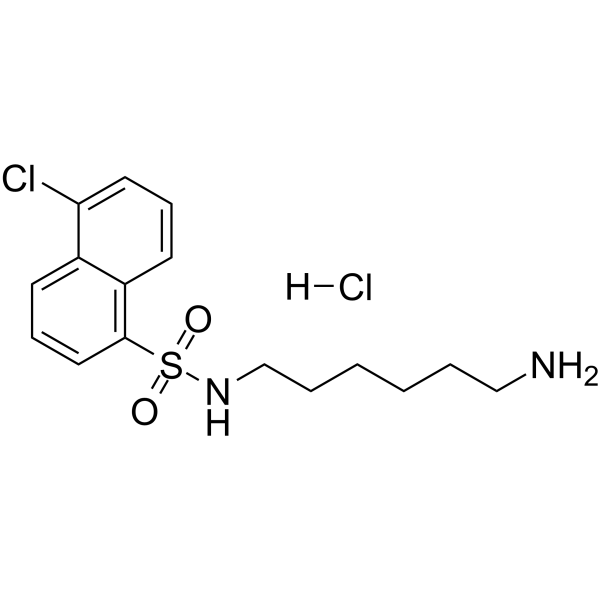
W-7 hydrochloride
 0 Images
W-7 hydrochloride is a selective calmodulin antagonist. W-7 hydrochloride inhibits the Ca2+-calmodulin-dependent phosphodiesterase and myosin light chain kinase with IC50 values of 28 μM and 51 μM, respectively. W-7 hydrochloride induces apoptosis and has antitumor and vascular relaxing activity. W-7 hydrochloride is a blocker of Kv4.3 and can be used for research of arrhythmias.
-
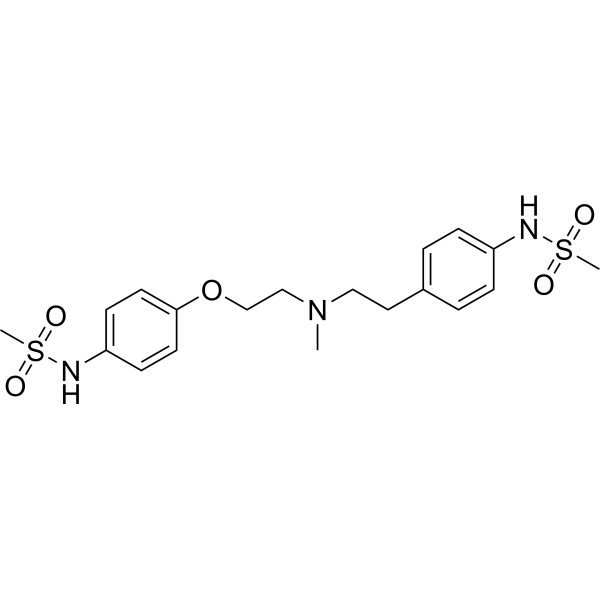
Dofetilide
 0 ImagesSynonyms: UK 68789
Dofetilide (UK 68789), as a class III antiarrhythmic agent, is an orally active, potent and specific IKr blocker. Dofetilide can be used for the research of cardiovascular disease.
-
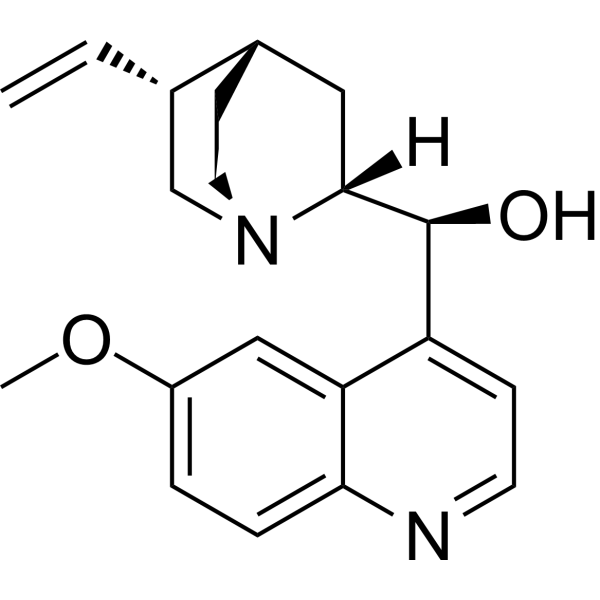
Quinidine (15% dihydroquinidine)
 0 Images
Quinidine (15% dihydroquinidine) is an orally active antiarrhythmic agent. Quinidine (15% dihydroquinidine) reduces the expression level of P-gp, inhibits P-gp-mediated efflux, increases the intracellular accumulation of P-gp substrates, induces PARP cleavage and Caspase-3 activation, and elevates the proportion of Apoptotic cells at the sub-G1 phase. Quinidine (15% dihydroquinidine) exerts sustained block and open-channel block effects on IK(f). Quinidine (15% dihydroquinidine) alters the urinary metabolic ratio of Amphetamine, modulates the Pentylenetetrazol-induced seizure threshold, and regulates the anticonvulsant effect of Dextromethorphan. Quinidine (15% dihydroquinidine) can be used in studies related to uterine sarcoma and seizures.
-
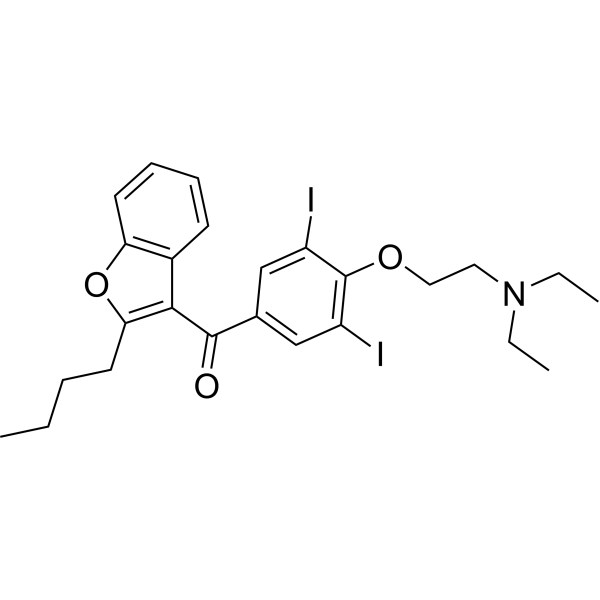
Amiodarone
 0 Images
Amiodarone, a benzofuran-based Class III antiarrhythmic agent, inhibits WT outward ionic current (IhERG) tails with an IC50 of ∼45 nM. Amiodarone induces cell proliferation and myofibroblast differentiation via ERK1/2 and p38 MAPK signaling in fibroblasts. Amiodarone can be used in the research of both supraventricular and ventricular arrhythmias.
-
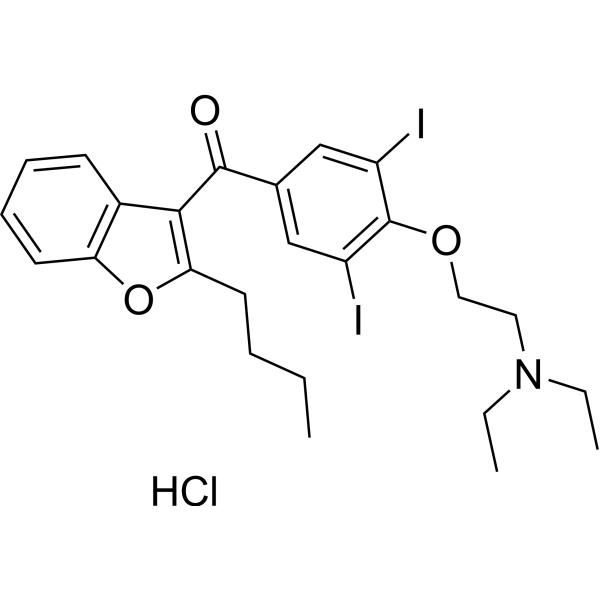
Amiodarone hydrochloride
 0 Images
Amiodarone hydrochloride, a benzofuran-based Class III antiarrhythmic agent, inhibits WT outward ionic current (IhERG) tails with an IC50 of ∼45 nM. Amiodarone hydrochloride induces cell proliferation and myofibroblast differentiation via ERK1/2 and p38 MAPK signaling in fibroblasts. Amiodarone hydrochloride can be used in the research of both supraventricular and ventricular arrhythmias.
-
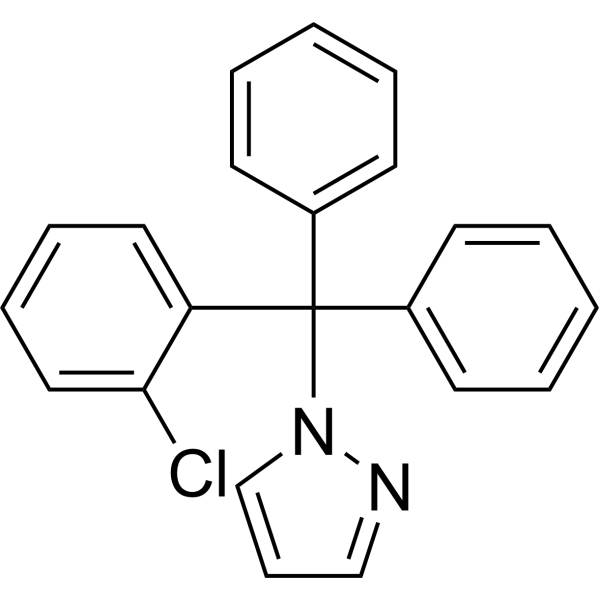
TRAM-34
 0 Images
TRAM-34 is a highly selective blocker of intermediate-conductance calcium-activated K+ channel (IKCa1) (Kd=20 nM).
-
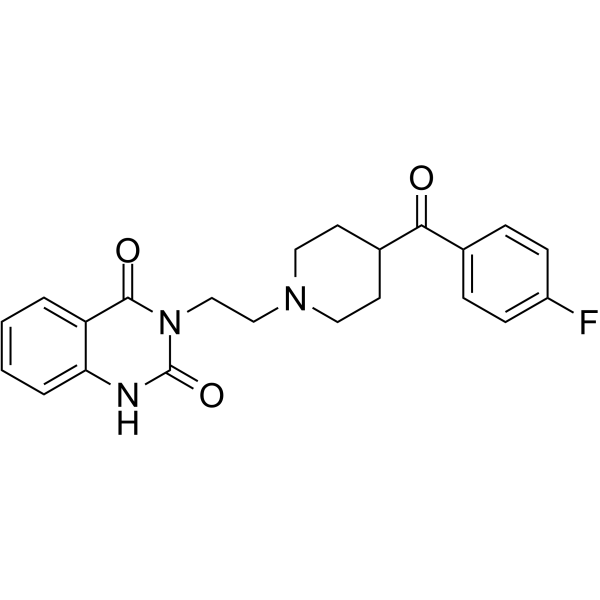
Ketanserin
 0 ImagesSynonyms: R41468
Ketanserin is a selective 5-HT2 receptor antagonist. Ketanserin also blocks hERG current (IhERG) in a concentration-dependent manner (IC50=0.11 μM).
-
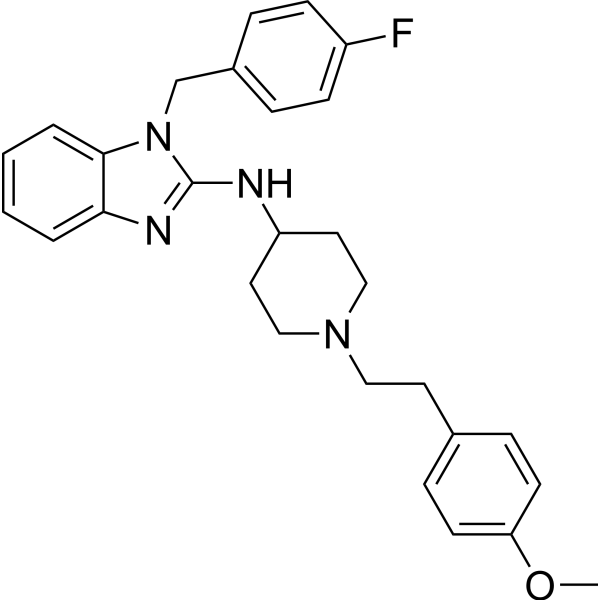
Astemizole
 0 ImagesSynonyms: R 43512
Astemizole (R 43512), a second-generation antihistamine agent to diminish allergic symptoms with a long duration of action, is a histamine H1-receptor antagonist, with an IC50 of 4 nM. Astemizole also shows potent hERG K+ channel blocking activity with an IC50 of 0.9 nM. Astemizole has antipruritic effects.



